How to grant access to Business Manager
Facebook Business Manager is essential when you want to start running Facebook ads, and here we will show you how to set it up.
PPC, which stands for "Pay-Per-Click," is a marketing model where you pay a fee each time someone clicks on your ad, meaning you pay for actual visits to your website. This differs from traditional forms of advertising, where you pay for brand visibility instead.
When it comes to PPC advertising, there is a wide range of platforms to choose from. Some of the most popular include Google Ads (on the Google search engine), Sklik (on the Seznam.cz search engine), and social media platforms such as Facebook and LinkedIn.
Google Ads is the most dominant player in the PPC advertising field. This platform allows businesses to bid on search terms relevant to their products or services. Google then displays their pages at the top of the search engine results pages (SERP).
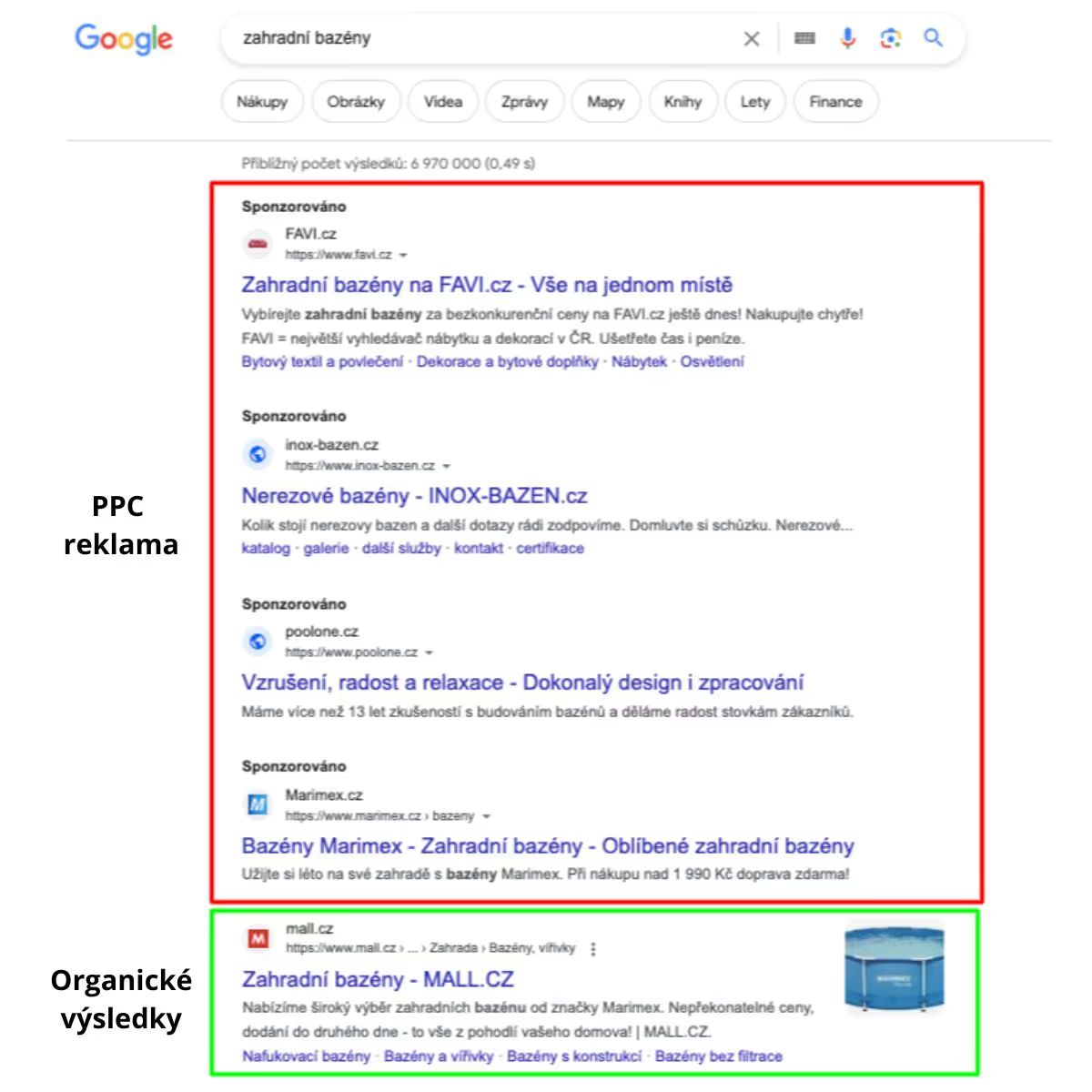
The Google Ads service also offers a range of ad formats, including text ads, responsive search ads , image or video ads.
In addition to PPC advertising in search engines, you can use social media advertising, such as Facebook, LinkedIn and Twitter. For example, Facebook allows businesses to target users based on their interests, behavior, location, and other data. LinkedIn is more suitable for B2B companies, as it offers the ability to target users based on job title, company name, and other professional criteria.
The first step in creating a successful PPC campaign is defining your target audience. Ask yourself who your ideal customer is, what their interests and behaviors are, and where they live (demographics). This information will help you create targeted ads that are more likely to convert. Google Ads allows you to target ads based on factors such as age, gender, geographic location, interests, and more.
Keyword analysis is an important part of a successful PPC campaign. It involves identifying the keywords and phrases your potential customers are searching for and for which you want to appear in search results. To identify relevant keywords and determine their search volume and competition level, you can use tools such as Google Keyword Planner.
Once you have conducted your keyword analysis, you can start organizing your ads into advertising campaigns. Advertising campaigns are categories of ads that focus on specific keywords or topics. This helps ensure that your ads are relevant to your audience and increases the likelihood of them being clicked.
Once your campaign is set up, it is time to create catchy ad copy and design. Ad copy should be engaging, concise, and include a clear call to action. Consider using dynamic keyword insertion, which automatically inserts the keyword the user entered into the search into your ad text.
When it comes to graphics, make sure your ads are visually appealing and consistent with your brand.
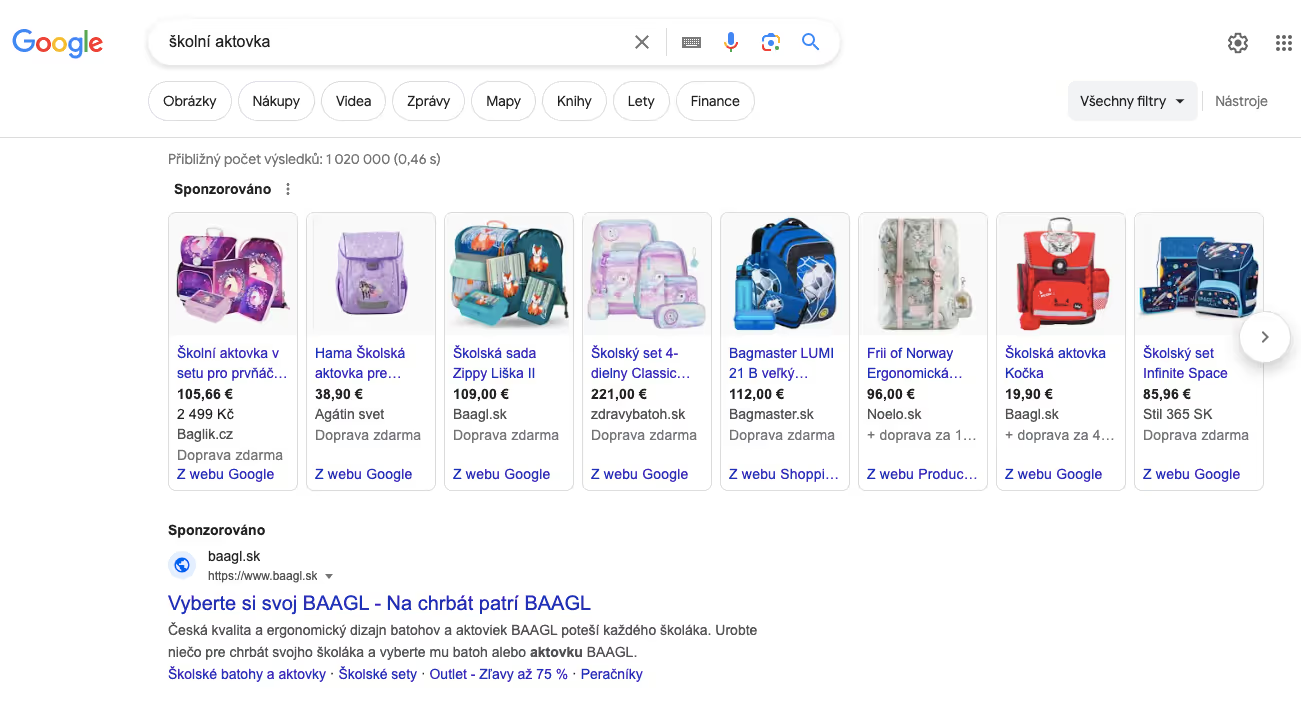
Last but not least, for the success of your campaign, it is essential to track and analyze its performance. Using tools such as Google Analytics, monitor key metrics like click-through rate, conversion rate, and return on ad spend. Use this data to make informed decisions about your campaign and adjust it as needed.
You’ve set up your campaign – congratulations! But don’t rest on your laurels just yet. Before you can sit back and watch clicks turn into conversions, there is still work to be done. Optimizing your keyword selection is essential to ensure your ads reach the right people. As you monitor your campaign, keep an eye out for keywords that aren't performing as well as you had hoped. Don't be afraid to remove them or test them as negative keywords. A/B testing ad variations can be a fun and interesting way to find out what resonates most with your audience. You can test different copy, headlines, images, and even calls to action. Overall, optimizing your PPC campaign can be a bit of a balancing act, but it is crucial for getting the most out of your advertising budget. Keep tweaking and refining your campaign until it becomes a well-oiled, high-performing conversion machine.
Measuring success When it comes to measuring the success of your PPC campaign, you should track several key indicators.
The first and arguably most important metric is click-through rate (CTR). This tells you how many people who saw your ad actually clicked on it. This is a good indicator of how relevant and interesting your ad is to your target audience.
Another important metric to track is conversion rate. This measures how many people who clicked on your ad actually completed a desired action, whether it's making a purchase, filling out a form, or signing up for a newsletter. By tracking this metric, you can determine which ads and landing pages are most effective at turning clicks into leads or sales.
Of course, you will also want to track cost per click (CPC) and cost per conversion (CPC). These metrics tell you how much you are spending to increase traffic and conversions, and can help you optimize your bidding and budget strategy accordingly.
To track these metrics, you will need to use tools such as Google Analytics or the analytics provided by your chosen PPC platform. These tools will give you an overview of how your ads are performing, which keywords and ad groups are driving the most traffic and conversions, and where you should focus your optimization efforts. By carefully monitoring metrics and making data-driven adjustments, you ensure that your campaign will always deliver the best results. More in the video:
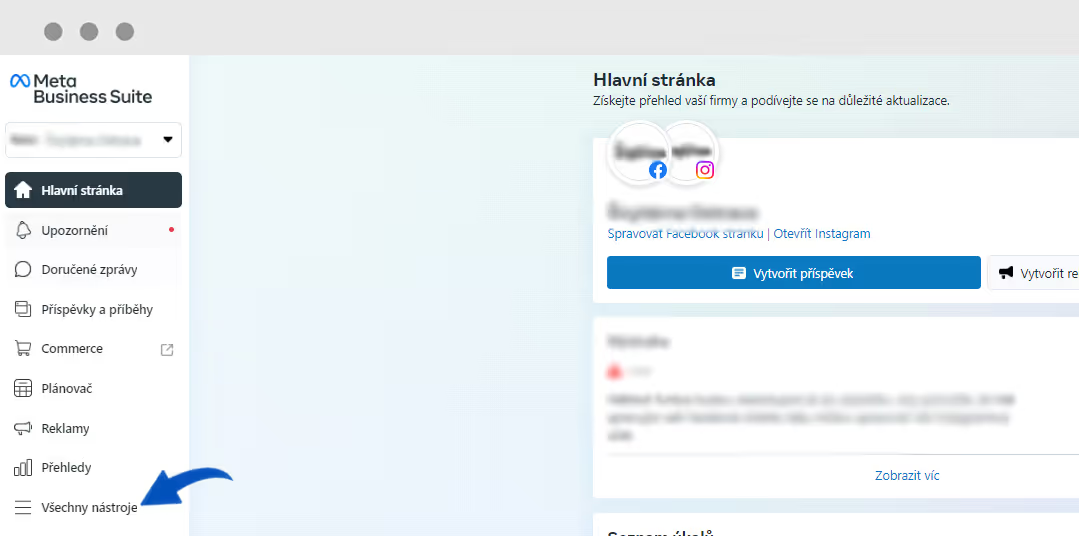
Facebook Business Manager is essential when you want to start running Facebook ads, and here we will show you how to set it up.

An interview about performance advertising and current trends.

3 days of the most interesting PPC know-how. That was the 14th PPC Camp, where we enjoyed 20 presentations from industry leaders that were definitely worth listening to.
Don't miss any important events or news from our world