
Advertising in ChatGPT: reach customers at the moment they decide
In ChatGPT, people describe their situation, compare options and decide what to buy. Ads here are not matched to a single keyword, but to the context of the whole conversation. We build this channel for you, from the account through measurement to campaigns, and show you in the numbers whether it pays off.

What advertising in ChatGPT is and why it works differently
Advertising in ChatGPT is a clearly labelled sponsored card shown below the answer. The system does not match it to a single keyword, but to the context of the whole conversation, the ad content and the landing page. The difference is substantial: in a search engine, a person types “3-in-1 stroller”. In ChatGPT, they write: “We are expecting our first baby. We live on the third floor with no lift, we walk forest trails at weekends and we have a small car. Which stroller should we choose for under €600?” From the second message it is clear who is buying, what the stroller has to handle and how much it may cost. The ad system can understand both the need and the stage of the decision. In Czechia and Slovakia, ads in ChatGPT have been shown since late August 2026, and the platform is still in beta.
Discuss it with usGoogle, Meta and ChatGPT: each channel plays a different role
Each channel reaches the customer in a different situation. ChatGPT adds the step that was missing in between: the moment when someone describes their problem, compares options and makes a decision.
Google: the customer searches
They know what they want and type a query. The ad responds to the keyword they have just entered.

Meta: the customer is not searching
They are not looking for anything right now, but strong creative and targeting can catch their attention and spark interest.

ChatGPT: the customer is deciding
They are solving a specific problem, comparing options and choosing. The ad appears right at that moment.
Why add advertising in ChatGPT to your mix

A customer with clear intent
The ad appears at the moment someone is solving a specific problem and comparing options. Not while they are scrolling a feed.

A low-risk pilot
We don’t ask you to shift budgets. We start with a 2-3 month pilot using 5-10% of your performance budget and 3-6 ad groups built around customer intent.

First-mover advantage
The auction in Czechia is still thinly contested. Whoever starts now collects data and know-how ahead of the competition.

A strong format for online stores
According to OpenAI, product ads from a feed are among the platform’s best-performing formats. We connect your product feed (from your store platform, Mergado or XML) and keep it up to date.

A complement, not a replacement
ChatGPT does not replace Google or Meta. We manage your entire performance mix across Google, Meta and ChatGPT and watch where every euro earns you the most.
Who advertising in ChatGPT suits, and who it doesn’t
It works best where customers compare options and look for advice before buying: online stores with a broader range and a quality product feed, B2B and SaaS, education and digital products, travel, experiences and services that solve a clear problem. It is less suited to cheap impulse purchases, where the customer does not research or compare anything. And some industries OpenAI does not allow at all: alcohol and tobacco, gambling, drugs, adult content and dating, political advertising, weapons, health and wellness claims, financial, healthcare and legal services, as well as specific job and real estate listings. Rejection comes as early as account verification, can affect the whole account rather than a single ad, and appeals do not work yet. That is why we check your industry before we promise anything.
How we guide you through the new channel
We build the channel in three steps. We start by checking whether OpenAI’s rules allow your industry at all. They are stricter than Google’s or Meta’s, and the advertiser, the ad and the landing page are all assessed. Only then do we get to work.

Context Hints: where results are decided
There are no keywords in ChatGPT Ads. Targeting runs on Context Hints: descriptive sentences about the situation and need the customer is dealing with right now. So instead of “3-in-1 stroller”, we work with a sentence like “parents are comparing lightweight all-terrain strollers that fit in a small car boot”. The quality of these sentences decides which conversations your ad appears in.
How we approach it:
- We start with your customers. We go through support tickets, reviews, discussions, and frequently asked questions.
- We segment them by intent. Different messaging is needed for someone just starting their research versus someone already comparing options.
- One ad group = one intent. Each intent gets its own copy and the most relevant landing page (a product, category or service), not the homepage.
- We test and expand. We switch off ad groups that do not work. Those that bring orders or leads we extend into further similar situations.
Anyone can learn to install a pixel and set up a campaign in time. What makes the difference is understanding which conversations your business should be relevant in.
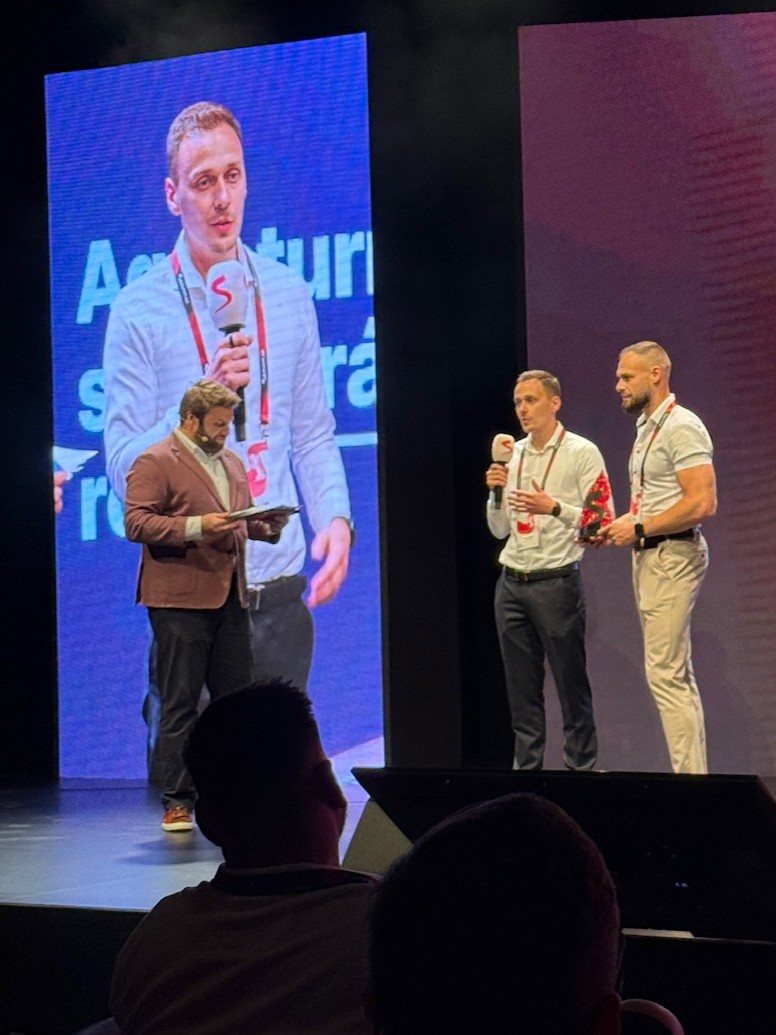
Enquire about advertising in ChatGPTWe won 1st place in the Sklik Certified Agency of the Year competition, outperforming 200 other agencies.


How our clients are doing
Advertising in ChatGPT is new, but it rests on the same approach as our results in Google Ads: strategy, measurement and evaluation against business numbers.

Strategic turnaround of the Závodnice online store
How the Závodnice online store grew by 139% through a strategy shift and achieved record revenue.

Being the market leader is just the beginning. How did Rodinné balení grow by another 25%?
Being the market leader doesn't mean the job is done. Resting on your laurels simply doesn't pay off in business. On the contrary, being a leader means setting an example, staying ahead of the pack, and finding ways to keep moving forward. Rodinné balení knows this well, which is why they didn't stop after reaching the top spot. Instead, they fine-tuned their strategy, polished the details, and strengthened their core advantages. What exactly did this collaboration bring, and how can you kickstart similar growth yourself?
What we’ll tell you straight before we start
We like to be straight with you. With a new channel that goes double, so we set expectations right at the start:
- Only some users see the ads. They appear in the free version and the low-cost Go plan. Plus, Pro and Business users and people under 18 do not see them.
- We cannot see which queries triggered the ads. There is no search query report; we optimize based on ad group and ad performance.
- Click-through rate is typically around 1%. That is normal in ChatGPT: users often continue the conversation instead of clicking. That is why we evaluate the channel by cost per order or lead, cost-to-revenue ratio and ROAS, not by clicks.
- Click counts in Ads Manager and GA4 differ. Ads Manager usually reports more clicks than GA4 (cookie banner, ad blockers, quick exits). That is why we measure from several sources: OpenAI Pixel, UTM parameters, GA4 and, where your website allows, Conversions API.
- The platform is in beta and evolving rapidly. Conversions appear in reports with a delay, and the first meaningful insights typically emerge after about a month.
None of this means the channel does not work. It just means it is worth running with a clear plan and judging by business numbers, not by the first week.
Shall we start today?Get into ChatGPT before your competition does
We will get in touch and arrange a short call. We will go through your industry, your goals and the data you already have, and tell you straight whether the channel makes sense for you.
Frequently asked questions about advertising in ChatGPT
Isn’t this just another display ad?
No. The ad is shown according to what the person is dealing with in the conversation: when they are looking for advice, comparing options or deciding on a purchase. Banner ads reach people while they are reading content and not thinking about buying.
Why not put the money into Google Ads instead?
ChatGPT does not replace Google or Meta, it complements them. The pilot takes only 5-10% of your performance budget as a separate test line item, not a shift away from campaigns that already earn for you. After 2-3 months, we compare the results with your existing channels on the same metrics.
It is a new platform. Isn’t that a risk?
Yes, there is a risk, which is why we do not recommend moving large amounts. We start with a pilot on a limited budget, set up complete measurement and after 2–3 months compare the results with Google and Meta. We increase the budget only if it makes economic sense.
How much does it cost?
You pay the ad budget directly to OpenAI from your own ad account; it does not go through us. For accounts billed in euros, the minimum daily budget is €15 per campaign, roughly €450 per month. An online store combining a product feed campaign and a context campaign therefore needs at least €900 per month. For the pilot, we recommend setting aside 5–10 % of your current performance budget. We will price our setup and management work in a proposal based on the scope.
Why not set it up ourselves?
Anyone can create a campaign. The harder part is setting up the account so that nothing in it has to be fixed later (the account’s country, currency and time zone cannot be changed afterwards), getting measurement from several sources running and, above all, writing context hints that hit the right conversations. And we can compare the results with the Google Ads and Meta campaigns we already manage.
Does the ad influence ChatGPT’s answers?
No. The ad is separate, shown below the answer and clearly labelled as sponsored. According to OpenAI, it does not affect the content of the answer.
Will you see what people talk about in ChatGPT?
No. Neither the advertiser nor the agency has access to user conversations; we only work with aggregate campaign performance figures. In Europe, personalisation is also not available yet: the system works only with the current conversation, not with chat history.
What do you need from us?
Your own OpenAI ad account, to which you invite us as an administrator; we will guide you through setting it up. Then billing details, cooperation on the website side (allowing OpenAI crawlers and consent in the cookie banner) and materials: the main strengths of your offer, your target cost-to-revenue ratio or cost per order, priority products, images and access to the feed. This will take roughly 1–3 hours of your time. Count on 2–3 weeks from signing to launch, because OpenAI account verification takes time.
When will we see the first results?
You will see the first delivery data within a few days. Conversions appear in reports with a delay, so we do not evaluate them straight away. The first meaningful conclusions come after about a month, and we decide on scaling only after the pilot has been evaluated, i.e. after 2-3 months.
Subscribe to our newsletter
and stay one step ahead
Practical performance marketing insights, case studies and Google Ads news – straight to your inbox
